The House of Lorraine (called the "Lorena" in Italian) played a quietly transformative but hugely important role in shaping modern Tuscany. Although the Medici are far more famous, it was actually the Lorraines, especially Grand Duke Peter Leopold (Pietro Leopoldo), who laid the foundations for the region’s political, social, scientific, and economic identity today.
We recently re-visited the Galileo Museum in Florence and a whole floor of the museum is dedicated to the Lorraine's collections in scientific instruments (the other floor is dedicated to the Medici), which made me remember how the Lorraines were also important to Florence! It made me want to go back and read up on how they left an impact on Florence and Tuscany. So I started rereading this article and realized it could use an update (the original was written about 10 years ago!). I hope I can present a clear summary of all of the ways in which the family impacted Tuscany, many of which we can still see today!
The Importance of the Lorraine Dynasty in Tuscany (1737-1859)
So the first reason that their transtion to power is impactful is that when the Medici line ended in 1737, the region of Tuscany passed peacefully to the House of Habsburg-Lorraine, which was a branch of the powerful Austrian imperial family from northeastern France. Remember all those royal families needed to interbreed to remain "pure". In any case, the Medici were tied to the family because Ferdinand I de' Medici had married Christina of the House of the Lorraines, daughter of Charles III, Grand Duke of Lorraine back in 1586. Instead of ruling as foreign autocrats (well, the first Lorraine, Francis Stephen, wasn't that interested in coming over so ruled from afar), the Lorraines soon governed Tuscany as a model Enlightened, modern state.
How did that come about? Well, let me tell you it mainly came about with the second Lorraine to come to power over Tuscany. In 1765, after Francis Stephen's death, his son Peter Leopold took over. Differently from his father, he decided that living in Florence was a better way to rule over Tuscany. He was a brilliant politician, making many important reforms, bringing the Grand Duchy high prosperity and as an example to the rest of the European states. Especially since the Lorraines had inherited a stagnant, debt-ridden state.
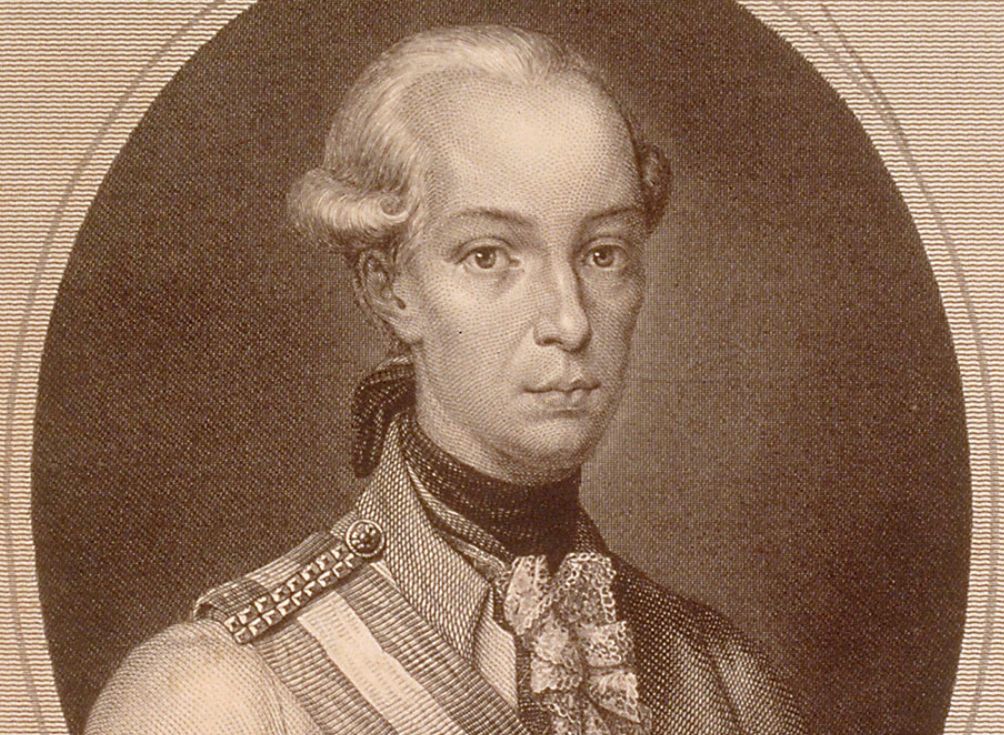
Among the most important reforms he established were:
- the introduction of a rational system of taxation,
- the reorganization of public administration,
- the abolition of the death penalty and torture
- the execution of profitable public works, such as the drainage of the wetlands in Valdichiana and Maremma and the construction of new roads, which in turn gave strong backing to agriculture and to the liberalization of trade
- the revitalization of university systems in Pisa and Siena, as well as creation of museums, medical schools and academies - such as the Georgofili Academy and the opening up of the Medici collections to the public at the Uffizi Gallery and first natural science museums in Europre, La Specola in Florence.
Overall, Peter Leopold was a brilliant administrator and a great patron. Tuscany was relatively quickly transformed into one of the most progressive, well-administered regions in Europe at that time, which eventually proved a model to other states and prepared Tuscany for unification to the rest of Italy.
Who comes next?
Unfortunately, not all leaders live forever and changing circumstances across Europe led to changes in leadership in Tuscany. In 1790, Peter Leopold became the Holy Roman Emperor when his brother Joseph II died. He abdicated his rule in Tuscany and left his son Ferdinand III, in charge.
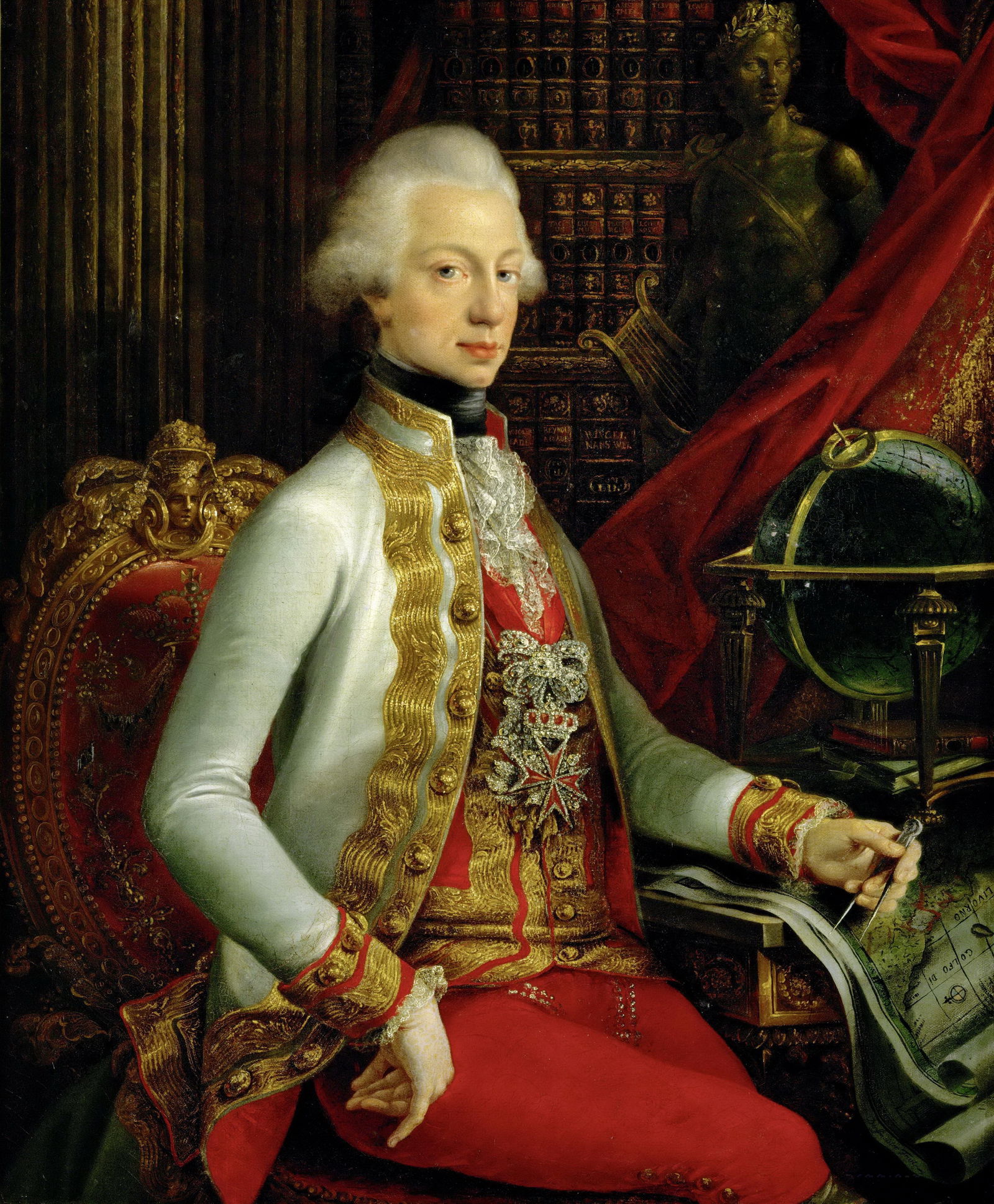
It was, however, a very difficult moment in history because soon thereafter, the French Revolution starts. Even though Ferdinand III tries to maintain a neutral position, Tuscany is invaded by French troops in 1799. He escapes to Vienna, returning to Florence only in 1814 after Napoleon's defeat and the Congress of Vienna. It is important to note that his return is acclaimed by both Florentines and the Tuscan population.
Ferdinand III's politics are then characterized by tolerance: he doesn't take any retaliation against the people and maintains most of the French laws imposed during the French rule. He starts more important public works, such as new roads and aquaducts, and continues the drainage of Maremma and Valdichiana, until his death in 1824.
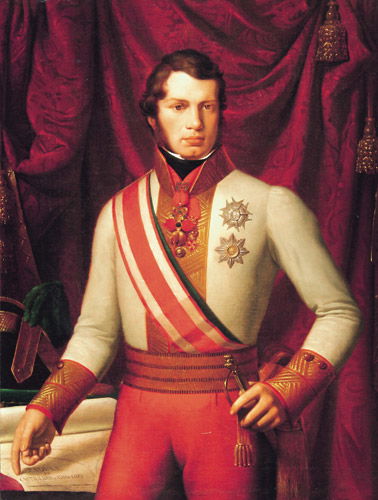
The Grand Duchy of Tuscany then passes on to his son Peter Leopold II, who also happened to be the last of the Grand Dukes in Tuscany since he is forced to abdicate in 1859 when Tuscany is about to be annexed to the new Italian Kingdom.
Peter Leopold II was loved by Tuscans because of his mild character and his informal attitude. He demonstrates that he cares about Tuscany and its people. In fact, he reduces right away the tax on meat. He also commits to more great public works, including the enlargement of Livorno's seaport, continues the drainage of Maremma (people from Grosseto loved him so much they built a monument to him in Piazza Dante) and he starts the first promotional activities to encourage visitors to travel to Tuscany.
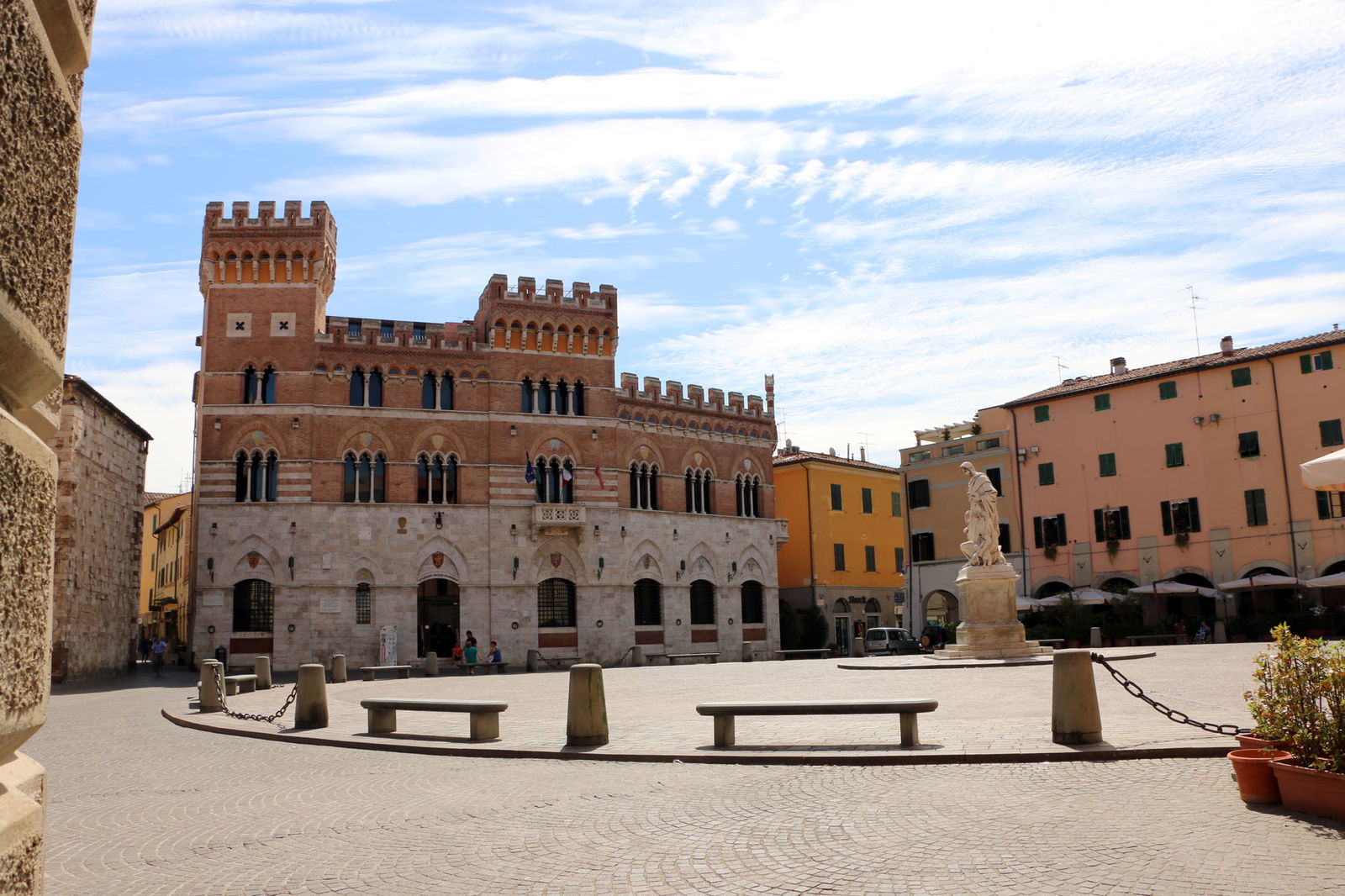
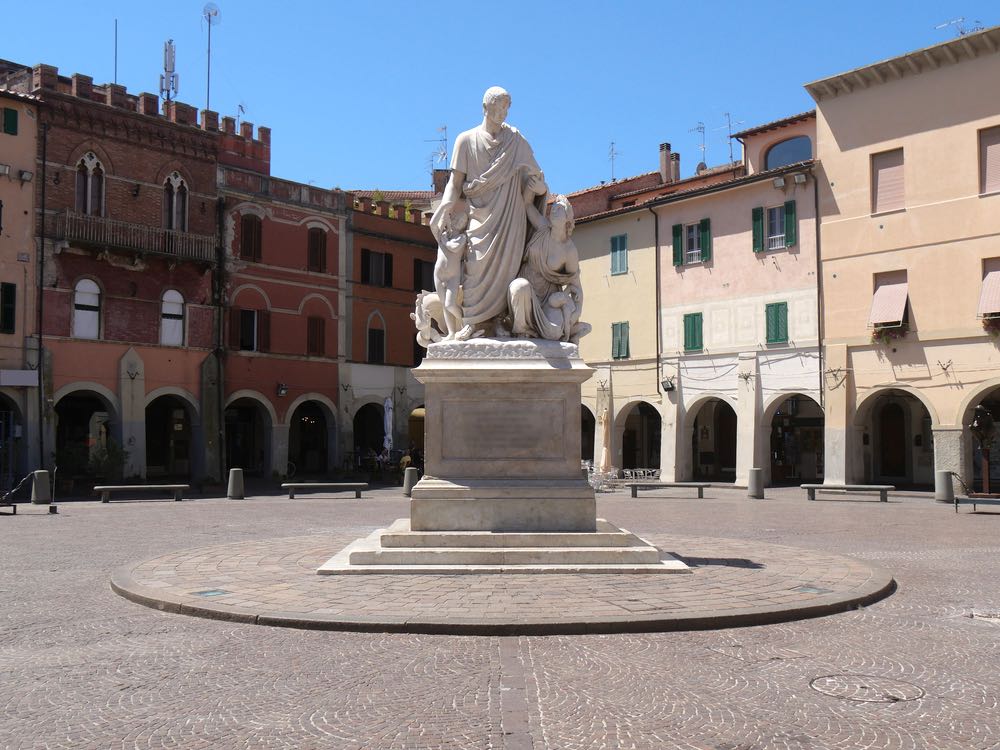
Peter Leopold II is also known for his tolerance for exiled intellectuals and artists, such as Giacomo Leopardi, Alessandro Manzoni, Niccolò Tommaseo and Guerrazzi. When he abdicates in 1859 because of the many riots for Italian independence, taking place in Italy at that time, rule formally passed on to his son Ferdinand IV, but he never actually ever came into power. He might be considered the last Grand Duke but it was just a title, since Tuscany was formally annexed to the Kngdom of Italy the following year, in 1860.
Without question, Ferdinand III and Peter Leopold II left their marks on Tuscany, but it is Peter Leopold I that remains as the central figure as far as the Lorraines go in Tuscany's history.
Why does Peter Leopold stand out as the main Lorraine in Tuscany's history?
-
He was the first ruler in history to abolish the death penalty (1786) - Tuscany celebrates this honor on November 30th
-
One of Europe’s greatest Enlightenment reformers, transforming Tuscany’s economy, law, and administration
-
Pushed scientific development and education
-
Modernized agriculture and public health
If the Medici made Tuscany beautiful, Peter Leopold made it progressive. The Lorraine Grand Dukes continued this tradition and are recognized for being rulers who really cared for Tuscany, great patrons and brilliant politicians, making Tuscany an example for the rest of Europe. We often recognize the importance of the Medici to what is Florence and Tuscany today, but we cannot forget the importance of the Lorraines in that history as well! I am glad I read up on them again, and hope this page helps you appreciate how much the Lorraines mattered to Tuscany as much as the Medici did.
Last update: December 16, 2025